
The useful thing about an evening walk from Zaryadye to the Moskva River is that it does not need to be inflated. Start with Zaryadye Park when the Red Square crowds begin to thin, give the route a clean shape, and the character of central Moscow usually appears without being forced. The day should feel guided, not managed to death.
Let the walk move from the park to the floating bridge, down toward the embankment and back through Kitay-Gorod if dinner is nearby. What matters is not squeezing the map tighter. It is letting one place lead naturally to the next, with enough time for the city or landscape to explain itself.
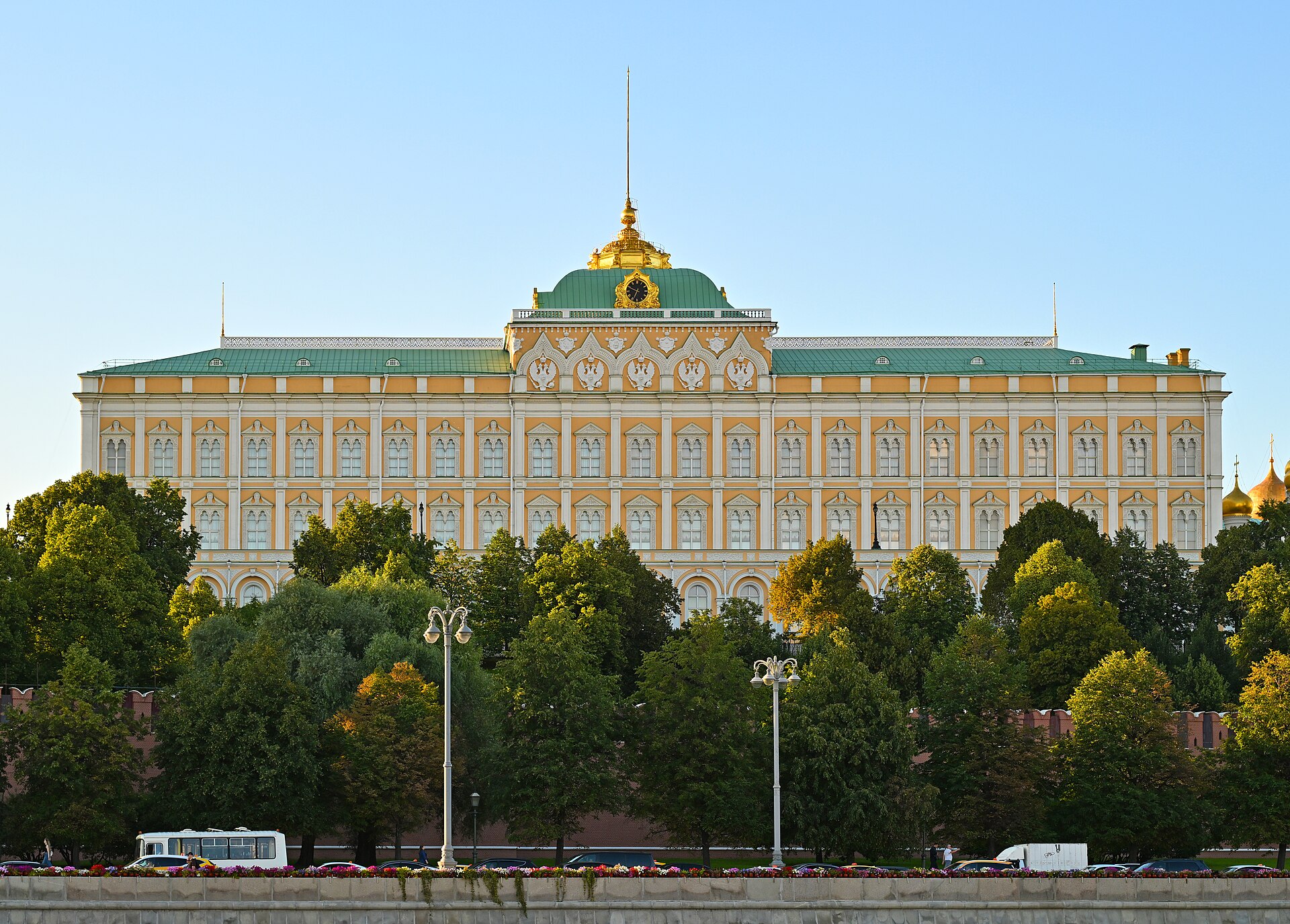
Modern landscaping, old walls, river traffic and church silhouettes sit in one frame without needing a speech. These details keep the route specific. They give the guide something better to work with than a stack of dates and a polished speech.
Do not ignore the smaller frame around the headline stop. Varvarka Street, Kitay-Gorod lanes, the river embankment and small dinner streets east of the Kremlin can turn a correct itinerary into a day that feels inhabited.
Use the evening light, watch the wind on the bridge, and keep dinner close enough that the walk does not become a transfer problem. The practical side is not separate from the experience. It is what allows guests to keep looking, listening and enjoying the route.
Facts matter, but pacing matters just as much. The guide should help the day keep its shape, even when guests linger longer than expected.
Food should be planned as part of the route, not as an afterthought. The right cafe, a warm lunch or a simple stop before a long drive can change the whole afternoon.
By the end, the success of the route should be easy to feel. Guests are not exhausted, the main image is clear, and the place has kept some texture of its own.
The most useful way to read Zaryadye and the Moskva River at the End of the Day is as a complete travel day, not as a string of stops. Start from the historic centre, the metro, or the river depending on the route, keep the early pace calm, and let the first half hour establish scale. Once visitors understand where they are standing, every later detail lands with more weight.
The main landmarks are only part of the story. Around this route, Red Square, the Kremlin walls, Zaryadye, the Tretyakov Gallery, VDNKh and the Moscow Metro give the article its factual backbone, but they should not be treated like items being cleared from a list. A useful visit links them with streets, river views, courtyards, station exits, small cafes and the pauses where people look back and realize how the place is arranged.
I would build the first movement slowly. Let the guide explain why this place matters, but avoid turning the opening into a lecture. The first ten minutes should be practical and human: where the group is, what the weather may do, how much walking is ahead, and where the next comfortable stop will be. That information settles people more than a dramatic introduction.
Moscow is formal and everyday at the same time: ceremonial stone, working metro corridors, museum quiet, traffic, churches behind gates and cafes full of ordinary local movement. This texture matters because it keeps the day from becoming generic. Travellers remember a city or landscape when it has a particular sound, surface and pace: the echo inside a station, the smell of wet stone, the sharp wind near water, or the moment a wide view suddenly replaces a narrow street.
The nearby context is just as important as the headline sight. Kitay-Gorod, Zamoskvorechye, Patriarch Ponds, Chistye Prudy and the boulevards around the old centre should be used as part of the article, not as optional filler. These places help readers understand what is close, what can be paired sensibly, and what should be left for another day. That is the difference between a useful guide and a decorative description.
Season changes the route more than many visitors expect. summer gives long walking hours, winter makes indoor planning and warm pauses essential, and spring or autumn can change from bright to wet in the same afternoon. A plan that works beautifully in June can feel clumsy in February, and a winter route that is clear and atmospheric may be tiring in summer heat. The article should say this plainly, because travellers trust writing that admits when timing changes the experience.
Transport deserves real attention. Moscow distances are deceptive, so metro rides, short walks and chauffeur-driven transfers should be combined carefully. A chauffeur or driver should not be used to erase the place; the vehicle is there to protect comfort, solve awkward transfers and make the day safer when weather or distance becomes a problem. Short walks still matter. Without them, the route turns into sightseeing through glass.
The best guides do not fill every silence. They choose when to speak and when to let the place carry itself. In Moscow, that restraint is useful because a square, a lake shore, a mountain view, a palace room or a harbour can say more in one quiet minute than a rushed explanation can say in five.
Food belongs inside the route. A lunch near Kitay-Gorod, a tea stop after the museum or a calm dinner near the boulevards can carry the day better than a famous room chosen only for status. The right pause is not a break from travel; it is part of the travel. It gives the day a middle, lets people compare impressions, and prevents the afternoon from becoming a tired continuation of the morning. A practical meal often creates more goodwill than an extra stop.
The common mistake is adding too many famous names because they seem close. Moscow punishes that by turning the afternoon into a blur. This is not a reason to make the article negative. It is a reason to make it honest. Production travel content should prepare guests for the real experience, including the small limits that make the successful version possible. When readers feel that the writing is honest about friction, they believe the praise more.
Photography should be handled with the same restraint. There will be obvious views, and some are obvious for good reason, but the article should encourage readers to look before reaching for the phone. A better memory may come from a side street, a market table, a reflection in wet pavement, a guide pointing out a detail, or a brief change in light.
Families, older guests and first-time Russia travellers need a route that gives confidence. That means clear meeting points, realistic walking distances, simple toilet and cafe planning, and a guide who notices when the pace is no longer working. These details may not sound romantic, but they are exactly what makes a private itinerary feel cared for.
It is also worth saying what not to do. Do not add another major stop simply because it is nearby on a screen. Do not turn a museum into a corridor, a coast into a photo stop, or a mountain road into a race. The stronger article helps readers choose, and choosing means leaving some good things out.
A strong Moscow article should end with scale: the visitor has seen power, art, streets and transport, but still understands that the city is larger than one day. The final paragraph should leave a reader with a usable mental map: where the day begins, why it moves that way, what can be paired nearby, and what feeling the route should leave behind. If that map is clear, the article has done more than advertise. It has helped someone imagine a real day in Russia.
The most useful way to read Zaryadye and the Moskva River at the End of the Day is as a complete travel day, not as a string of stops. Start from the historic centre, the metro, or the river depending on the route, keep the early pace calm, and let the first half hour establish scale. Once visitors understand where they are standing, every later detail lands with more weight.
The main landmarks are only part of the story. Around this route, Red Square, the Kremlin walls, Zaryadye, the Tretyakov Gallery, VDNKh and the Moscow Metro give the article its factual backbone, but they should not be treated like items being cleared from a list. A useful visit links them with streets, river views, courtyards, station exits, small cafes and the pauses where people look back and realize how the place is arranged.
I would build the first movement slowly. Let the guide explain why this place matters, but avoid turning the opening into a lecture. The first ten minutes should be practical and human: where the group is, what the weather may do, how much walking is ahead, and where the next comfortable stop will be. That information settles people more than a dramatic introduction.
Moscow is formal and everyday at the same time: ceremonial stone, working metro corridors, museum quiet, traffic, churches behind gates and cafes full of ordinary local movement. This texture matters because it keeps the day from becoming generic. Travellers remember a city or landscape when it has a particular sound, surface and pace: the echo inside a station, the smell of wet stone, the sharp wind near water, or the moment a wide view suddenly replaces a narrow street.
The most useful way to read Zaryadye and the Moskva River at the End of the Day is as a complete travel day, not as a string of stops. Start from the historic centre, the metro, or the river depending on the route, keep the early pace calm, and let the first half hour establish scale. Once visitors understand where they are standing, every later detail lands with more weight.
The main landmarks are only part of the story. Around this route, Red Square, the Kremlin walls, Zaryadye, the Tretyakov Gallery, VDNKh and the Moscow Metro give the article its factual backbone, but they should not be treated like items being cleared from a list. A useful visit links them with streets, river views, courtyards, station exits, small cafes and the pauses where people look back and realize how the place is arranged.
I would build the first movement slowly. Let the guide explain why this place matters, but avoid turning the opening into a lecture. The first ten minutes should be practical and human: where the group is, what the weather may do, how much walking is ahead, and where the next comfortable stop will be. That information settles people more than a dramatic introduction.
Moscow is formal and everyday at the same time: ceremonial stone, working metro corridors, museum quiet, traffic, churches behind gates and cafes full of ordinary local movement. This texture matters because it keeps the day from becoming generic. Travellers remember a city or landscape when it has a particular sound, surface and pace: the echo inside a station, the smell of wet stone, the sharp wind near water, or the moment a wide view suddenly replaces a narrow street.
The nearby context is just as important as the headline sight. Kitay-Gorod, Zamoskvorechye, Patriarch Ponds, Chistye Prudy and the boulevards around the old centre should be used as part of the article, not as optional filler. These places help readers understand what is close, what can be paired sensibly, and what should be left for another day. That is the difference between a useful guide and a decorative description.
Season changes the route more than many visitors expect. summer gives long walking hours, winter makes indoor planning and warm pauses essential, and spring or autumn can change from bright to wet in the same afternoon. A plan that works beautifully in June can feel clumsy in February, and a winter route that is clear and atmospheric may be tiring in summer heat. The article should say this plainly, because travellers trust writing that admits when timing changes the experience.
Transport deserves real attention. Moscow distances are deceptive, so metro rides, short walks and chauffeur-driven transfers should be combined carefully. A chauffeur or driver should not be used to erase the place; the vehicle is there to protect comfort, solve awkward transfers and make the day safer when weather or distance becomes a problem. Short walks still matter. Without them, the route turns into sightseeing through glass.
The best guides do not fill every silence. They choose when to speak and when to let the place carry itself. In Moscow, that restraint is useful because a square, a lake shore, a mountain view, a palace room or a harbour can say more in one quiet minute than a rushed explanation can say in five.
Food belongs inside the route. A lunch near Kitay-Gorod, a tea stop after the museum or a calm dinner near the boulevards can carry the day better than a famous room chosen only for status. The right pause is not a break from travel; it is part of the travel. It gives the day a middle, lets people compare impressions, and prevents the afternoon from becoming a tired continuation of the morning. A practical meal often creates more goodwill than an extra stop.
The common mistake is adding too many famous names because they seem close. Moscow punishes that by turning the afternoon into a blur. This is not a reason to make the article negative. It is a reason to make it honest. Production travel content should prepare guests for the real experience, including the small limits that make the successful version possible. When readers feel that the writing is honest about friction, they believe the praise more.
Photography should be handled with the same restraint. There will be obvious views, and some are obvious for good reason, but the article should encourage readers to look before reaching for the phone. A better memory may come from a side street, a market table, a reflection in wet pavement, a guide pointing out a detail, or a brief change in light.
Families, older guests and first-time Russia travellers need a route that gives confidence. That means clear meeting points, realistic walking distances, simple toilet and cafe planning, and a guide who notices when the pace is no longer working. These details may not sound romantic, but they are exactly what makes a private itinerary feel cared for.
It is also worth saying what not to do. Do not add another major stop simply because it is nearby on a screen. Do not turn a museum into a corridor, a coast into a photo stop, or a mountain road into a race. The stronger article helps readers choose, and choosing means leaving some good things out.
A strong Moscow article should end with scale: the visitor has seen power, art, streets and transport, but still understands that the city is larger than one day. The final paragraph should leave a reader with a usable mental map: where the day begins, why it moves that way, what can be paired nearby, and what feeling the route should leave behind. If that map is clear, the article has done more than advertise. It has helped someone imagine a real day in Russia.